
What green tourmaline is
Green tourmaline is the most common colour variety of the tourmaline species, coloured by traces of iron and sometimes chromium or vanadium in its crystal structure. It ranges from pale mint and yellow-green through to deep, saturated forest green, and is mined in Brazil, Mozambique, Nigeria and several other locations, each producing slightly different tonal ranges.
Colour
Colour is the single biggest value driver in green tourmaline. A vivid, medium-to-deep green with good saturation and even distribution is worth significantly more than a pale or overly dark stone of the same carat weight. Because of tourmaline’s pleochroism, the same rough crystal can show noticeably different colour intensity depending on cutting orientation — a well-cut stone maximises the richest face-up colour.
Clarity
Green tourmaline is often eye-clean or near eye-clean, but natural inclusions do occur. What matters for value is whether inclusions are visible to the naked eye and whether they affect brilliance — not whether a loupe reveals any inclusion at all, which is normal in a natural stone.
Cut
Emerald, cushion and oval cuts are common for green tourmaline because they showcase colour well while retaining carat weight. A well-proportioned cut with good symmetry will always outperform a poorly cut stone of higher carat weight.
Carat and size
Green tourmaline is available across a wide carat range, from small accent stones to large statement centre stones. Because tourmaline is moderately dense, always check millimetre dimensions alongside carat weight — two stones of the same weight can look different sizes face-up.
Natural vs. synthetic, and certification
Green tourmaline has no widely available synthetic equivalent in the market — most “green tourmaline” for sale is natural, sometimes heat-treated to improve colour, which is disclosed and broadly accepted. For higher-value stones, ask for a lab report confirming species and treatment status before you buy.
Buying considerations
Prioritise colour saturation and cut quality over carat weight alone. A smaller, vividly coloured, well-cut green tourmaline generally makes a better piece of jewelry than a larger, pale or poorly cut one at a similar price.
Frequently Asked Questions
No — they are different mineral species entirely. Green tourmaline belongs to the tourmaline group, while emerald is a variety of beryl. They can look superficially similar but differ in composition, typical inclusions and price.
Price depends heavily on saturation, clarity and carat weight; deeply saturated, eye-clean stones command a premium over pale or included material of the same weight.
No — its colour is stable under normal wear and typical light exposure.
Tourmaline in general is the modern October birthstone; green is one of several accepted tourmaline colours for this purpose.
Related Articles
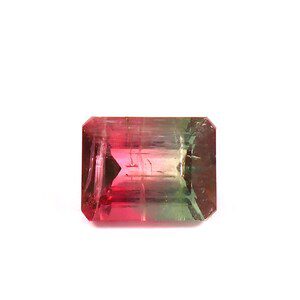
How to Choose Natural Tourmaline
A full buying checklist.
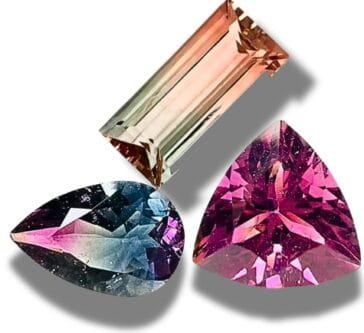
Why Tourmaline Is Best for Jewelry
Colour range, durability & design versatility.
Find Your Gemstone by Name
Match your name to a natural gemstone.
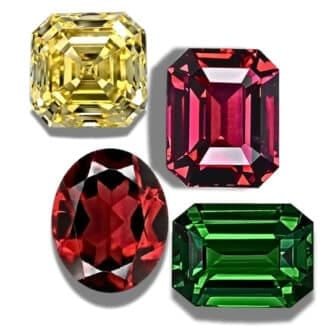
Birthstones by Month
A complete guide to natural birthstones.