
Hayat Gems · Jaipur Since 1975
Gemstone Suggestion: Find the Stone That Suits You
Choose your birth month to find your natural birthstone, compare colour and hardness across all twelve months, and see the exact stones we currently have available — every one cut and graded in our own workshop in Jaipur.
In Short
How do you choose the right gemstone? Start with your birth month to narrow the field, then judge the individual stone on four things: colour saturation, cut quality, eye-clean clarity and hardness. For a ring worn daily, choose a stone of 7 or above on the Mohs scale — sapphire, tourmaline, topaz or aquamarine are the most practical choices.
Birthstone tradition is a useful starting point, not a rule. The stone you will actually wear is the one whose colour you like in daylight, cut well enough to return light evenly, and hard enough to survive how you live.
Since 1975
Three generations of gemstone cutting and grading from our own workshop in Jaipur, India.
Certified & Natural
Laboratory certification on higher-value stones, with every treatment openly disclosed.
Cut In-House
We cut what we sell, so colour, proportion and finish are controlled end to end.
Worldwide Shipping
Insured express delivery to buyers in over 40 countries.
The Collection
Natural Gemstones, Cut in Jaipur
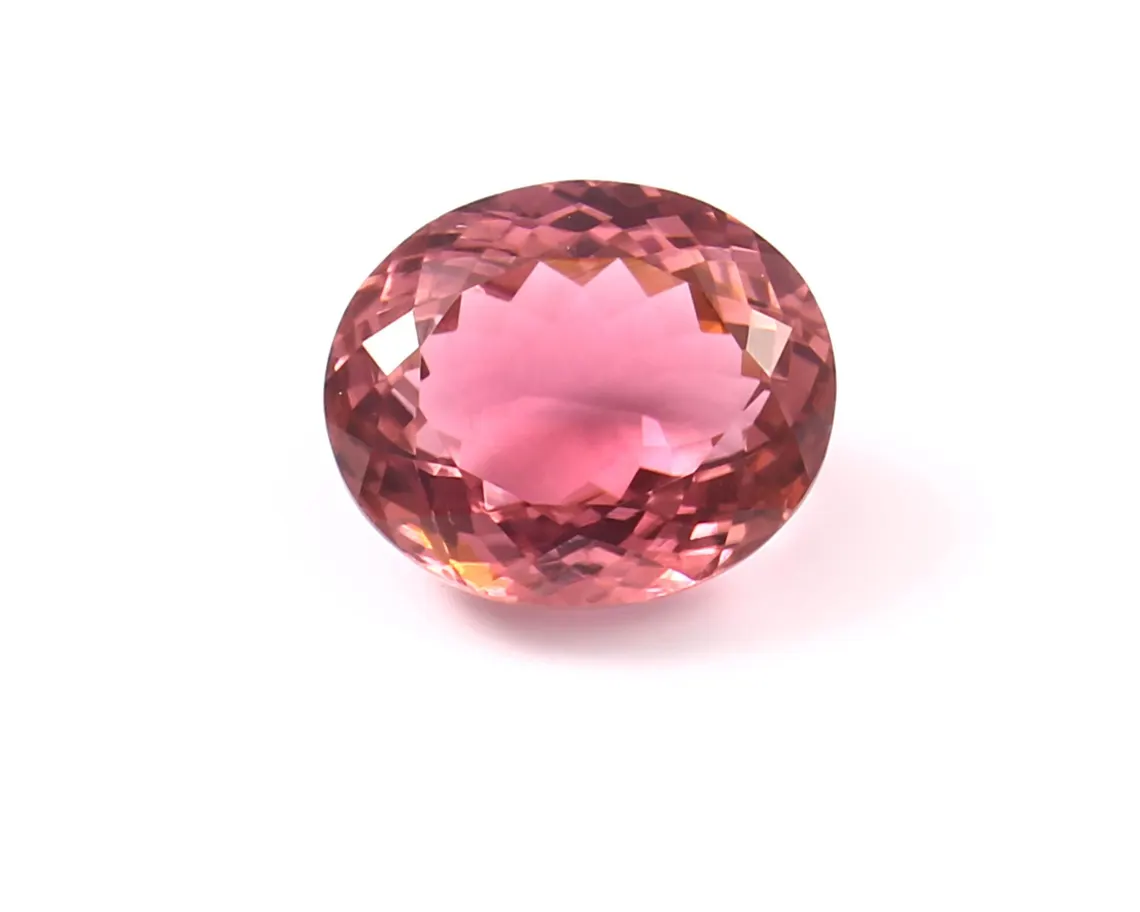
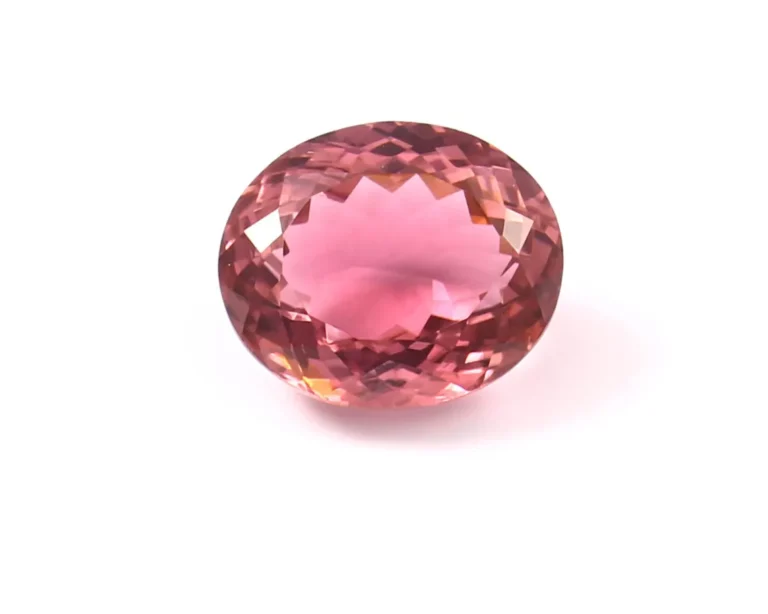
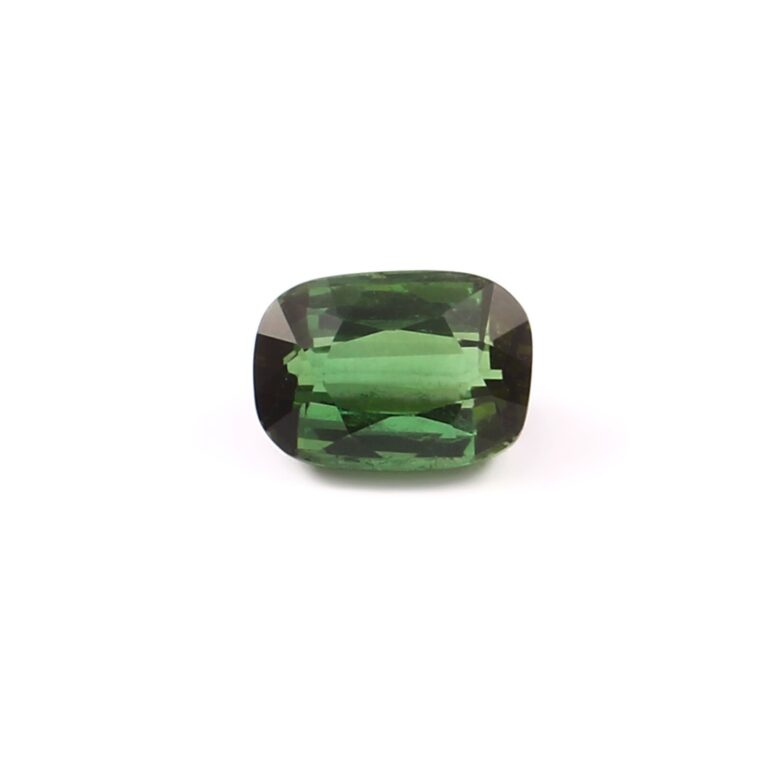
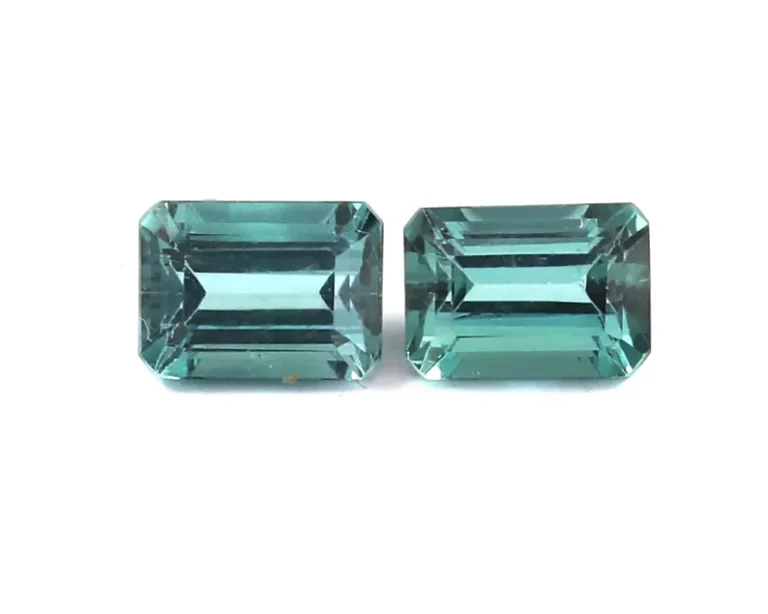
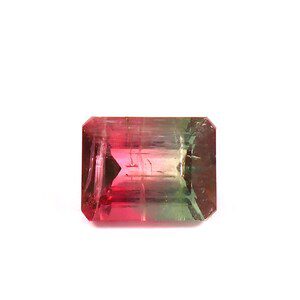
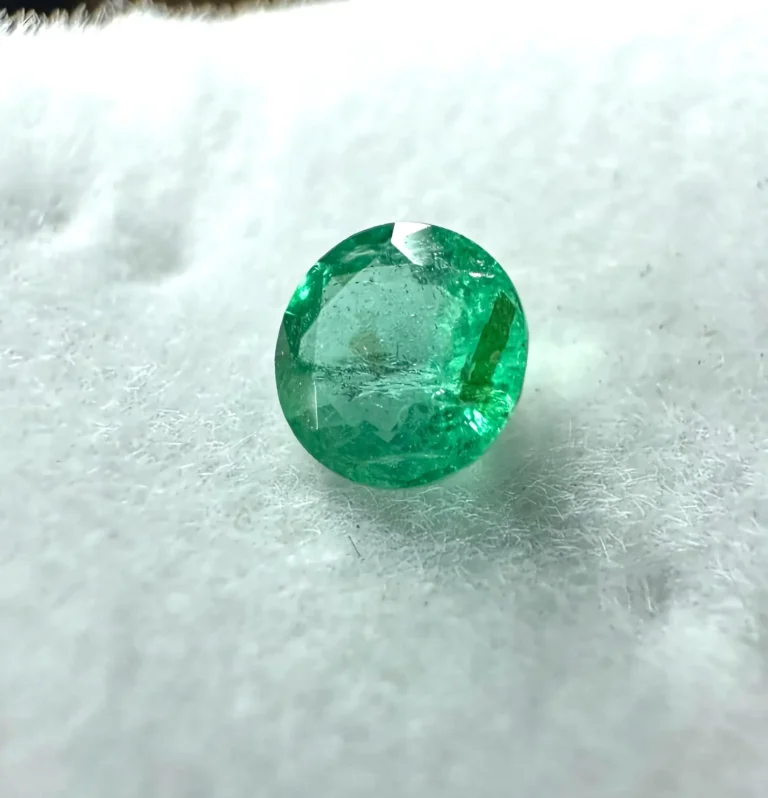
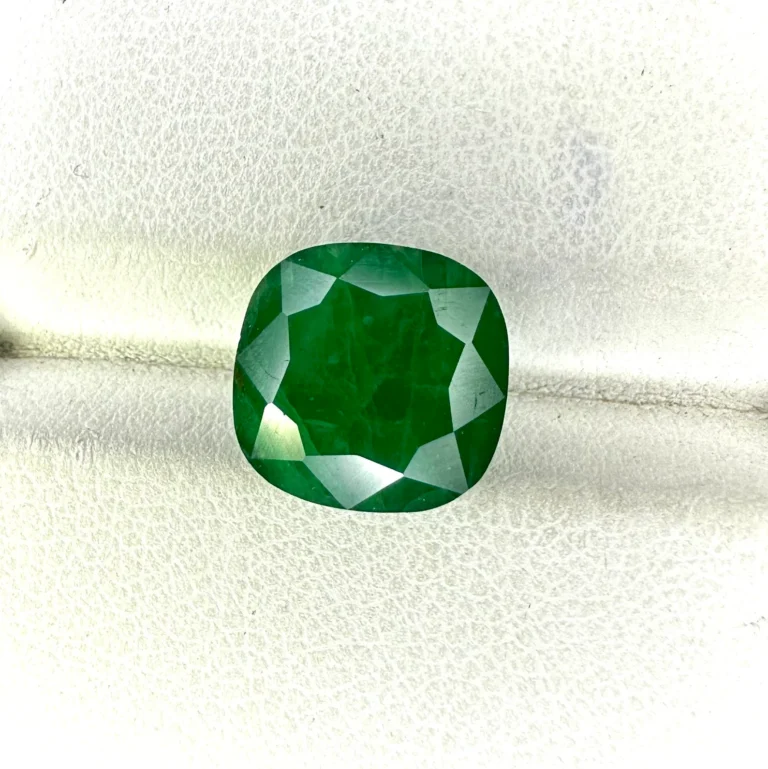
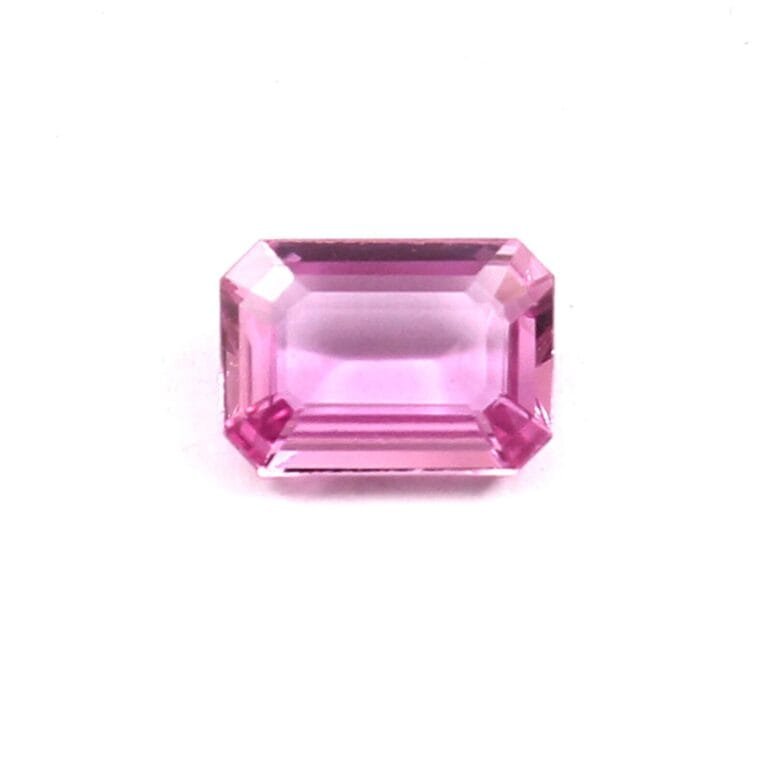
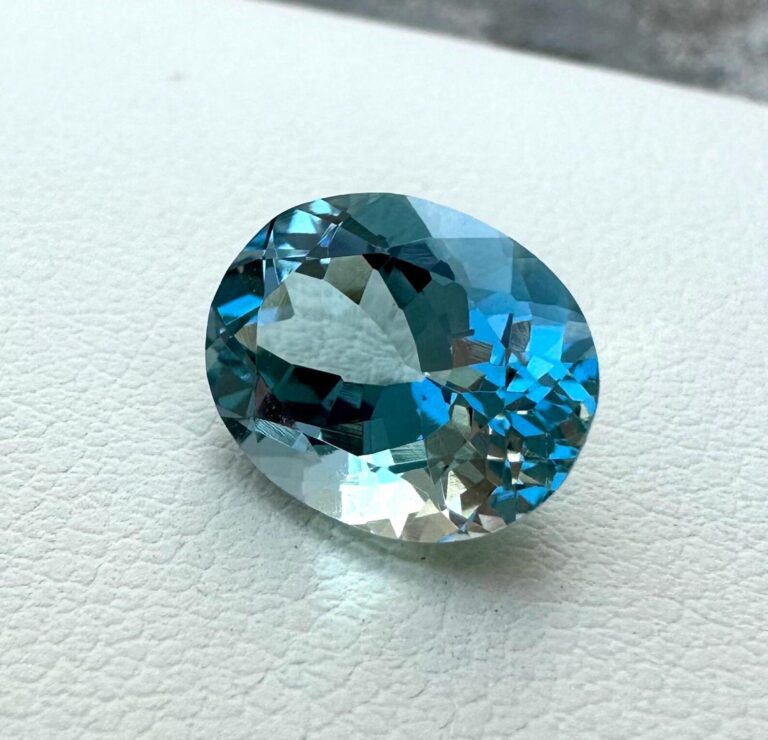
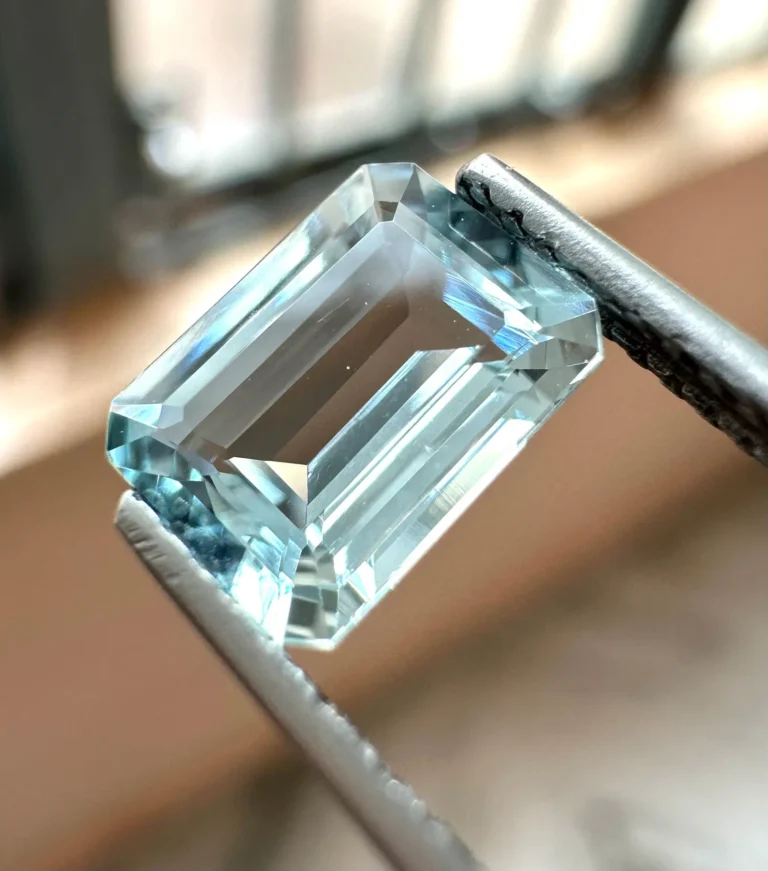
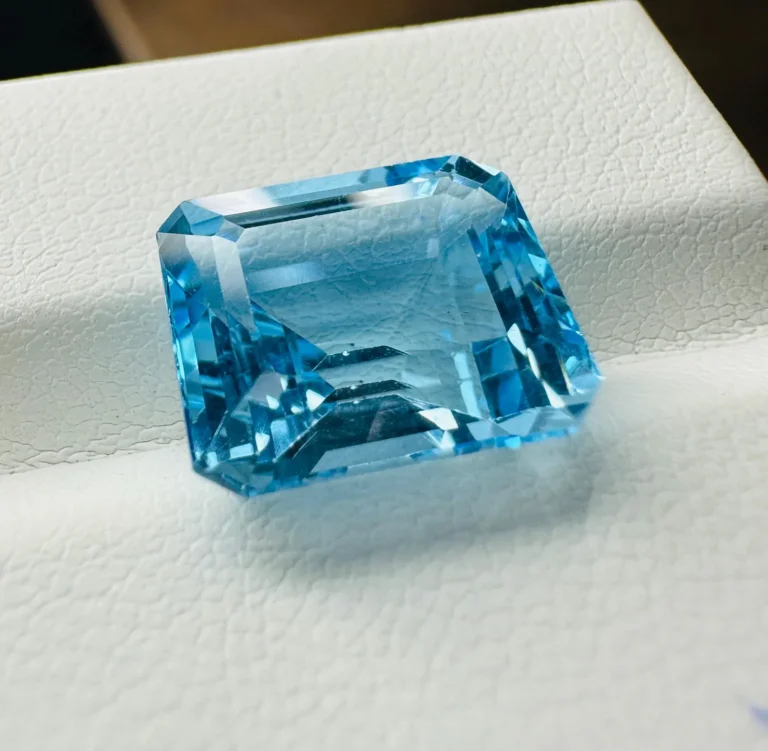
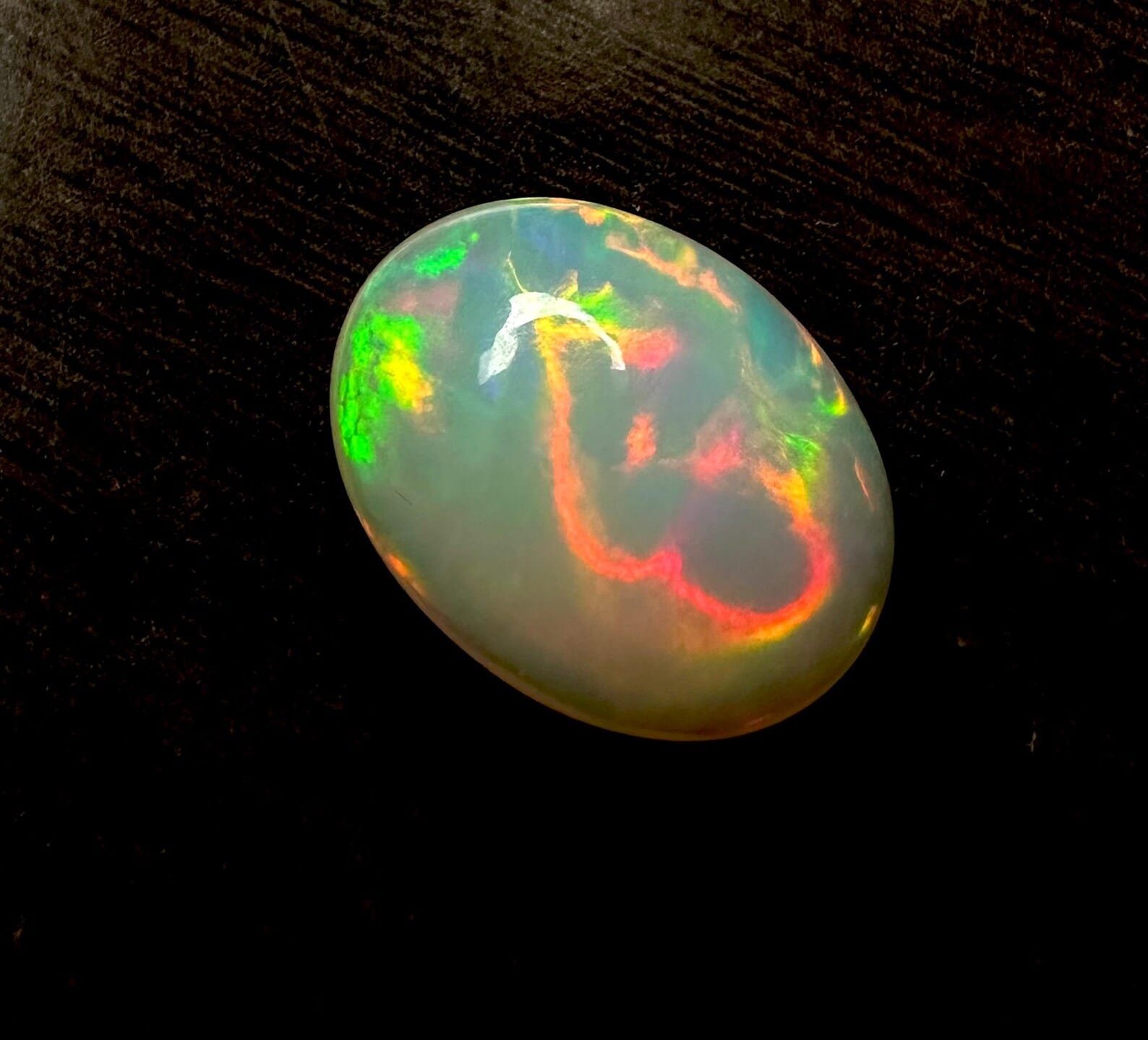
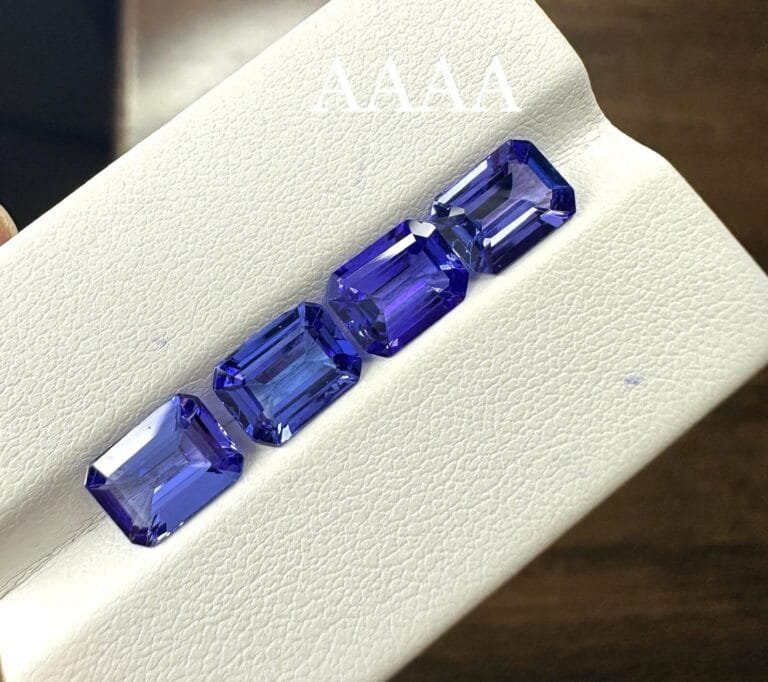
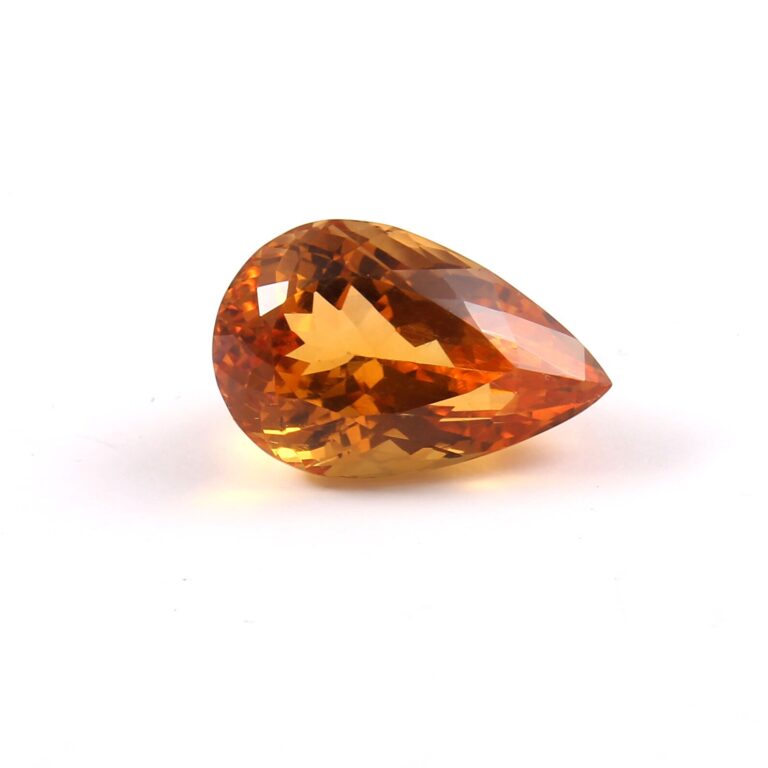
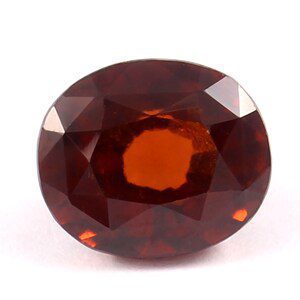
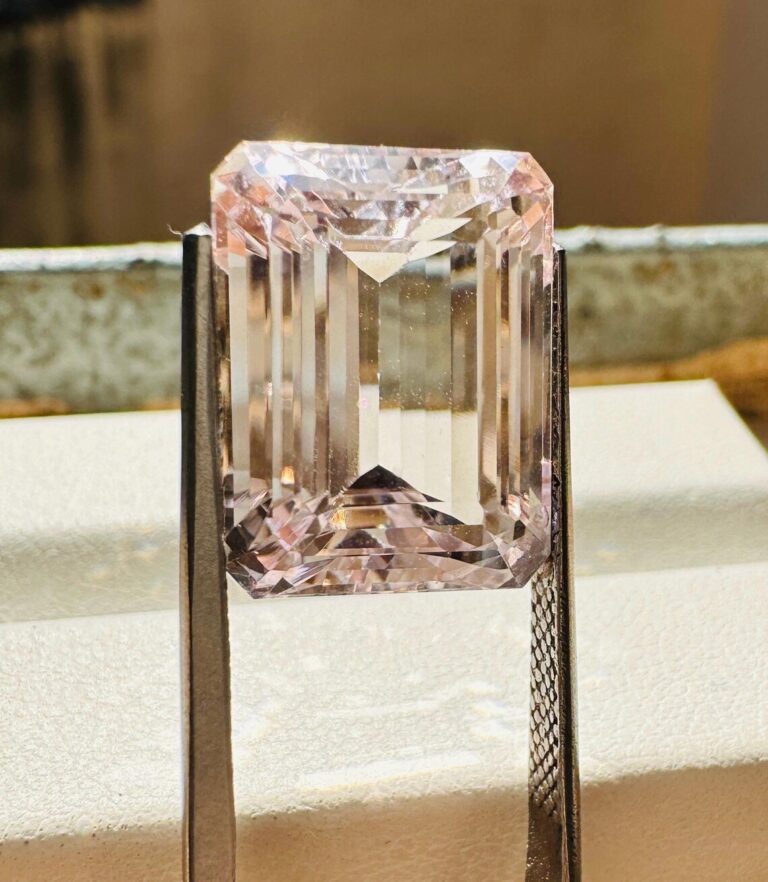
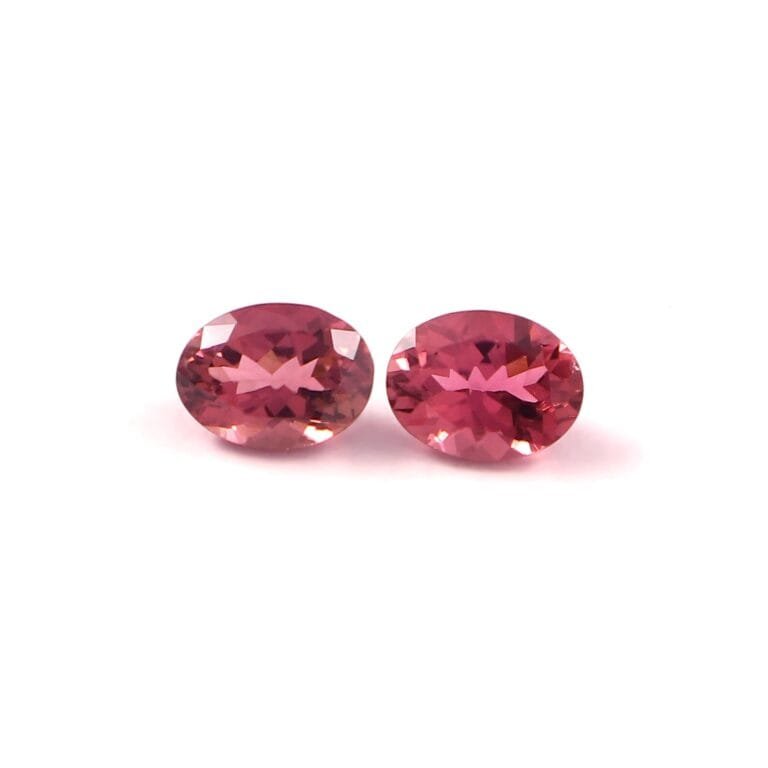
Every photograph below is of the actual gemstone we cut and sell — not a stock image. When a stone sells, the listing closes rather than being reused for a different gem.
Gemstone Finder
Which Gemstone Suits Your Birth Month?
Open your birth month to see your traditional birthstone, its colour range, its hardness, and where to find it in our collection. Prefer to search by name instead? Use our Gemstone by Name finder.
The traditional January birthstone is garnet. It ranges from deep red almandine to cinnamon-orange hessonite (gomed), sits at 6.5–7.5 on the Mohs scale, and is durable enough for rings with a protective setting. Hessonite is also widely used in Vedic astrology.
Colour: Deep red to cinnamon-orange · Mohs hardness: 6.5–7.5
The February birthstone is amethyst, a purple variety of quartz. At 7 on the Mohs scale it is hard enough for everyday wear, and it is one of the most affordable ways to own a large, clean, richly coloured natural gemstone.
Colour: Pale lilac to deep purple · Mohs hardness: 7
The March birthstone is aquamarine, a blue variety of beryl and the sister stone of emerald. It is typically eye-clean, scores 7.5–8 on the Mohs scale, and stays bright even in larger carat sizes — which makes it an excellent everyday ring stone.
Colour: Sea blue to pale green-blue · Mohs hardness: 7.5–8
April is traditionally represented by diamond. If you want the same colourless look without diamond pricing, natural white beryl (goshenite, sometimes sold as colourless aquamarine) gives high clarity and brightness at 7.5–8 on the Mohs scale.
Colour: Colourless · Mohs hardness: 7.5–10
The May birthstone is emerald, the green variety of beryl. Natural emerald almost always contains inclusions — this is normal and expected in the material, not a defect. Because those inclusions make it brittle, emerald is best set protectively rather than in an exposed daily-wear ring.
Colour: Vivid to deep green · Mohs hardness: 7.5–8
June has two traditional birthstones: pearl and moonstone. Moonstone is valued for adularescence — the floating blue sheen across its surface. At 6–6.5 on the Mohs scale it is relatively soft, so it suits pendants and earrings better than rings.
Colour: White with blue sheen · Mohs hardness: 6–6.5
The July birthstone is ruby, the red variety of corundum. At 9 on the Mohs scale it is second only to diamond in hardness, making it one of the most practical coloured gemstones for daily-wear rings.
Colour: Deep to vivid red · Mohs hardness: 9
August is traditionally peridot, an olive-green stone at 6.5–7 on the Mohs scale. Citrine — golden to honey-toned quartz at 7 — is a common warm-toned alternative and works particularly well set in yellow gold.
Colour: Olive green / golden yellow · Mohs hardness: 6.5–7
The September birthstone is sapphire. It is corundum in every colour except red, and at 9 on the Mohs scale it is the most hard-wearing coloured gemstone available — the single best choice for an engagement ring you intend to wear every day.
Colour: Blue, pink, yellow and more · Mohs hardness: 9
October has two birthstones: tourmaline and opal. Tourmaline offers the widest natural colour range of any gemstone at 7–7.5 on the Mohs scale. Opal is softer at 5.5–6.5 and is valued for its play-of-colour, with no two stones alike.
Colour: Green, pink, teal, bi-colour · Mohs hardness: 5.5–7.5
November is represented by topaz and citrine. Topaz scores 8 on the Mohs scale and is available in large, clean, brilliantly cut stones — making it the best value in our collection for statement jewelry.
Colour: Sky blue, Swiss blue, golden · Mohs hardness: 7–8
The December birthstone tanzanite is found in only one place on Earth — a small area near Mount Kilimanjaro in Tanzania. Its violet-blue colour shifts visibly with the viewing angle. At 6–7 on the Mohs scale it needs a protective setting for ring wear.
Colour: Violet-blue · Mohs hardness: 6–8
Birthstone Chart
Birthstone by Month: Colour and Hardness Compared
A complete reference for all twelve months, including the Mohs hardness of each stone so you can judge at a glance whether it suits a ring, a pendant or occasional wear.
| Birth Month | Gemstone | Typical Colour | Mohs Hardness |
|---|---|---|---|
| January | Garnet | Deep red to cinnamon-orange | 6.5–7.5 |
| February | Amethyst | Pale lilac to deep purple | 7 |
| March | Aquamarine | Sea blue to pale green-blue | 7.5–8 |
| April | Colourless Beryl / Diamond | Colourless | 7.5–10 |
| May | Emerald | Vivid to deep green | 7.5–8 |
| June | Moonstone / Pearl | White with blue sheen | 6–6.5 |
| July | Ruby | Deep to vivid red | 9 |
| August | Peridot / Citrine | Olive green / golden yellow | 6.5–7 |
| September | Sapphire | Blue, pink, yellow and more | 9 |
| October | Tourmaline / Opal | Green, pink, teal, bi-colour | 5.5–7.5 |
| November | Topaz / Citrine | Sky blue, Swiss blue, golden | 7–8 |
| December | Tanzanite / Blue Topaz | Violet-blue | 6–8 |
Mohs hardness measures scratch resistance on a 1–10 scale. For a ring worn every day, a stone of 7 or above is the safer choice; softer stones are better suited to pendants and earrings, or to rings with a protective bezel setting.
Gemstone Guide
A Guide to Every Gemstone We Cut
What each stone is known for, how durable it is, and what to look for before you buy.
Tourmaline
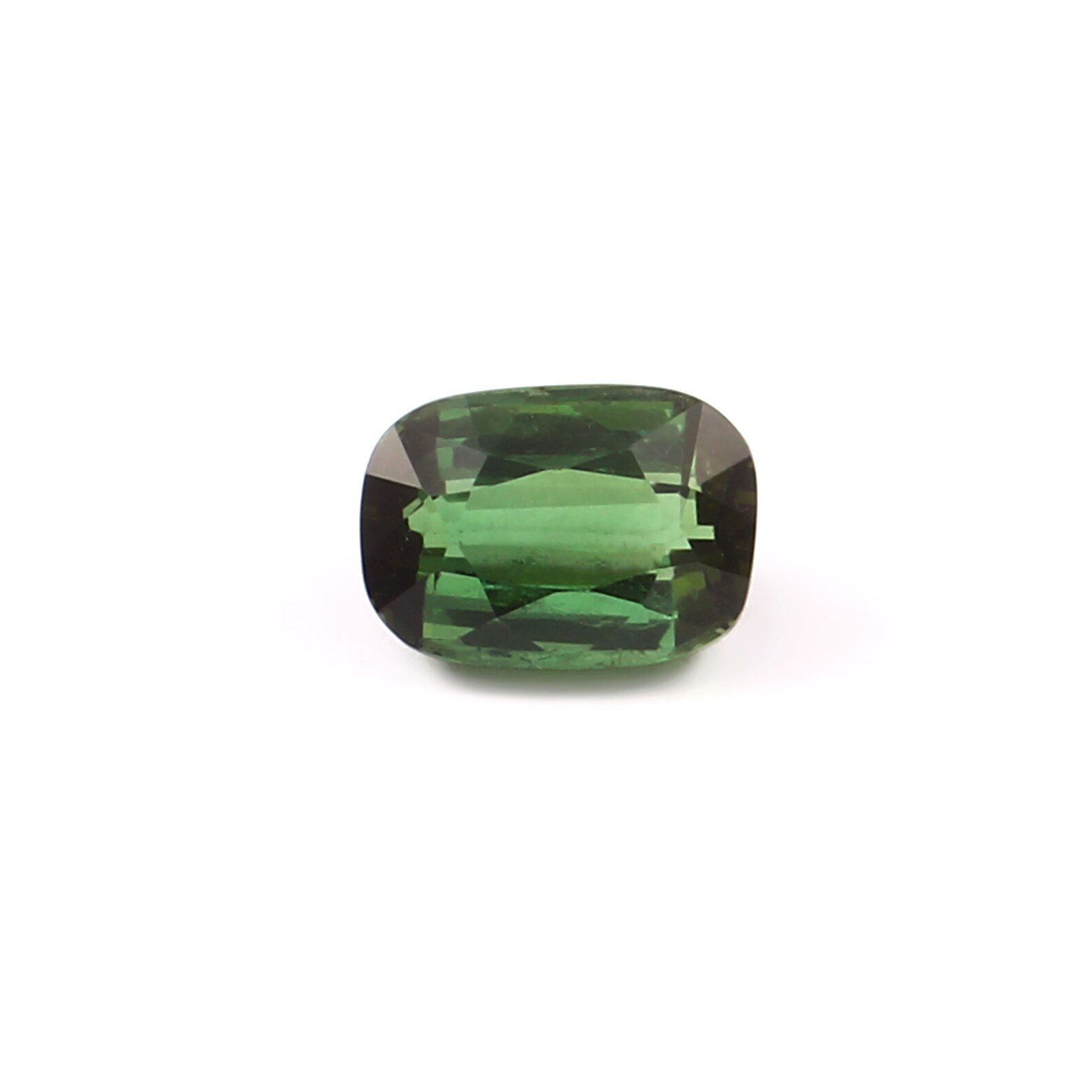
October Birthstone · Mohs 7–7.5 — The widest natural colour range of any gemstone: green, pink, teal, bi-colour and watermelon, and durable enough for daily wear.
Emerald
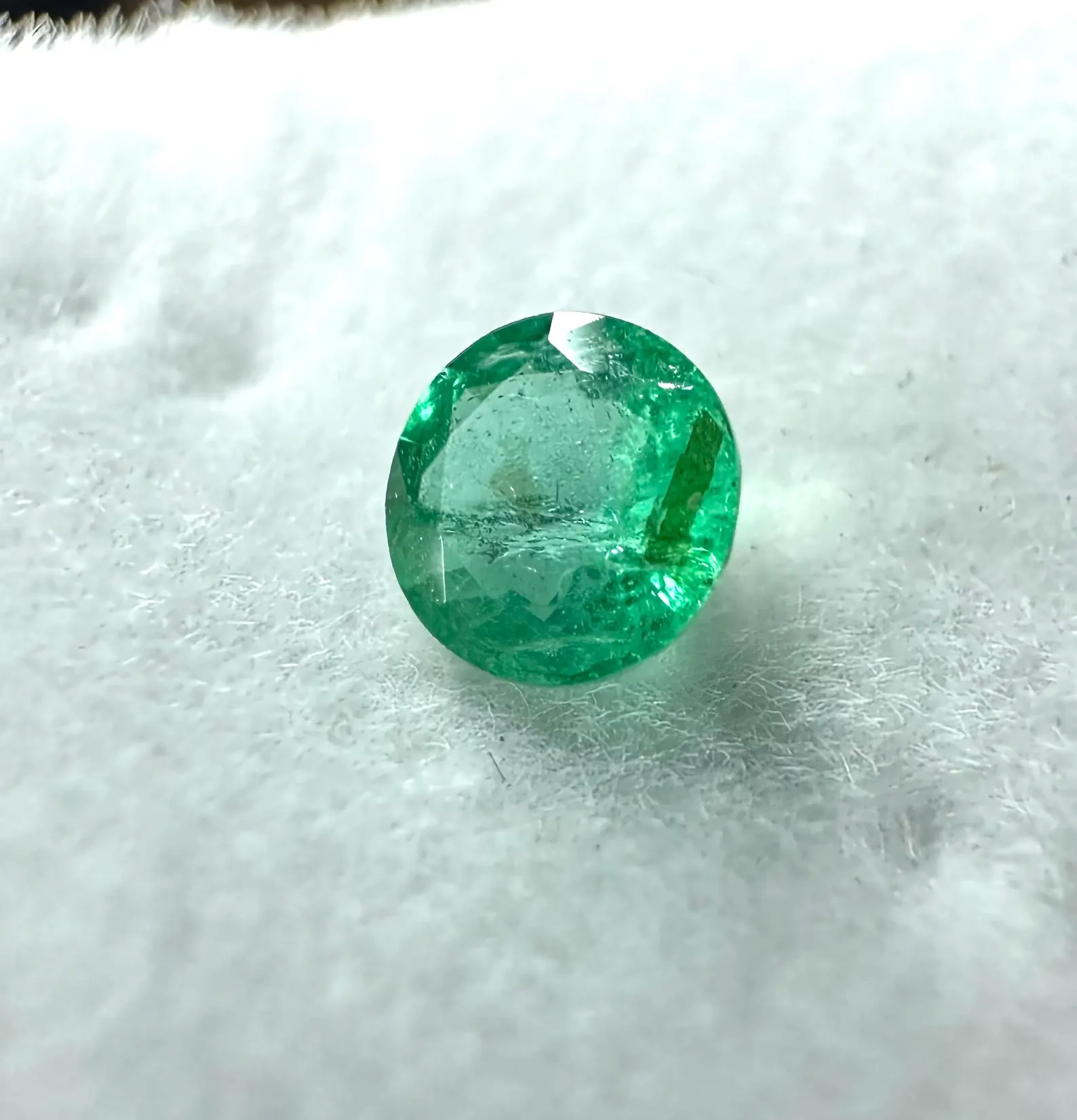
May Birthstone · Mohs 7.5–8 — Zambian emerald with saturated green colour. Inclusions are natural and expected; we disclose clarity honestly on every stone.
Sapphire
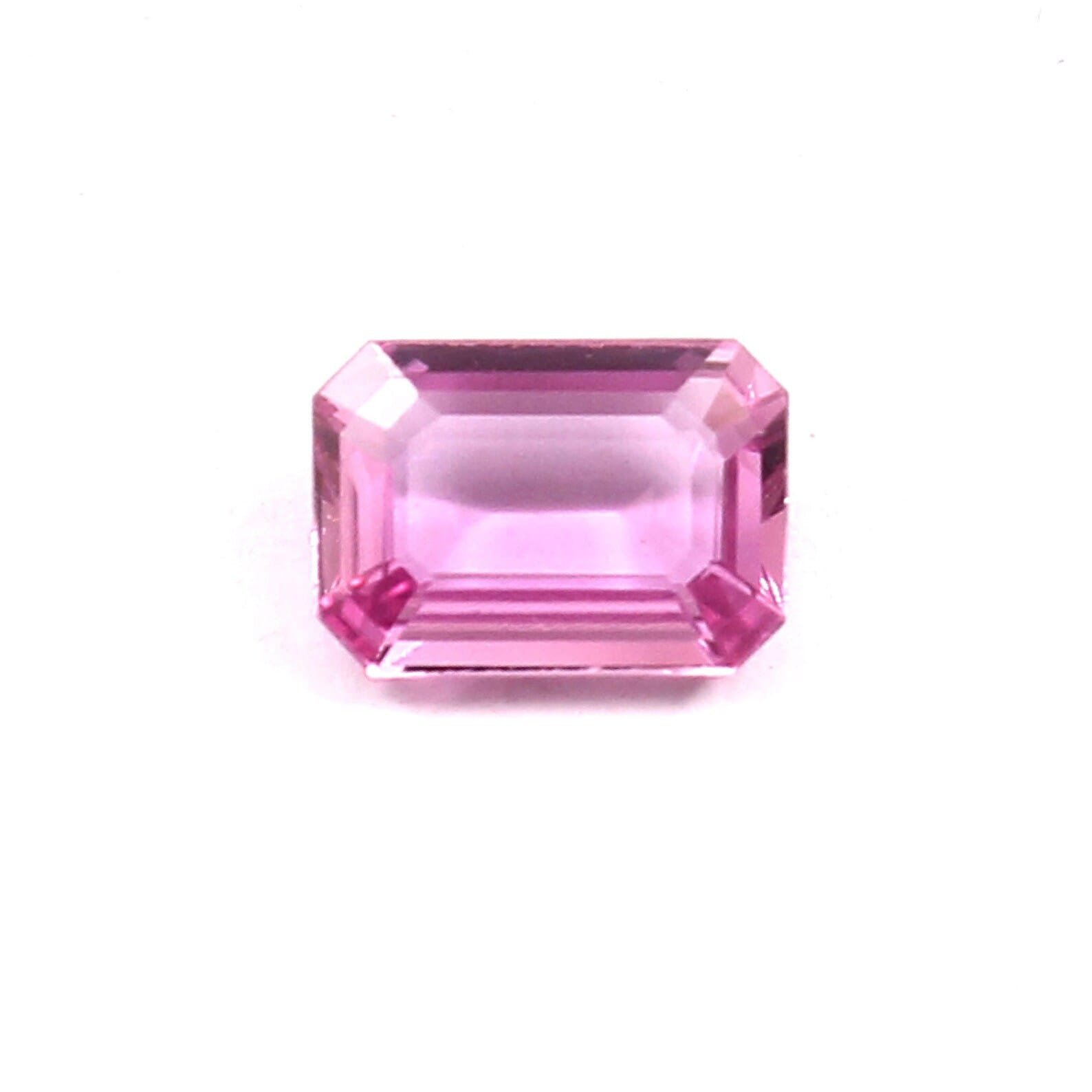
September Birthstone · Mohs 9 — The most hard-wearing coloured gemstone available, and far from blue-only: our unheated pink sapphire is a good example.
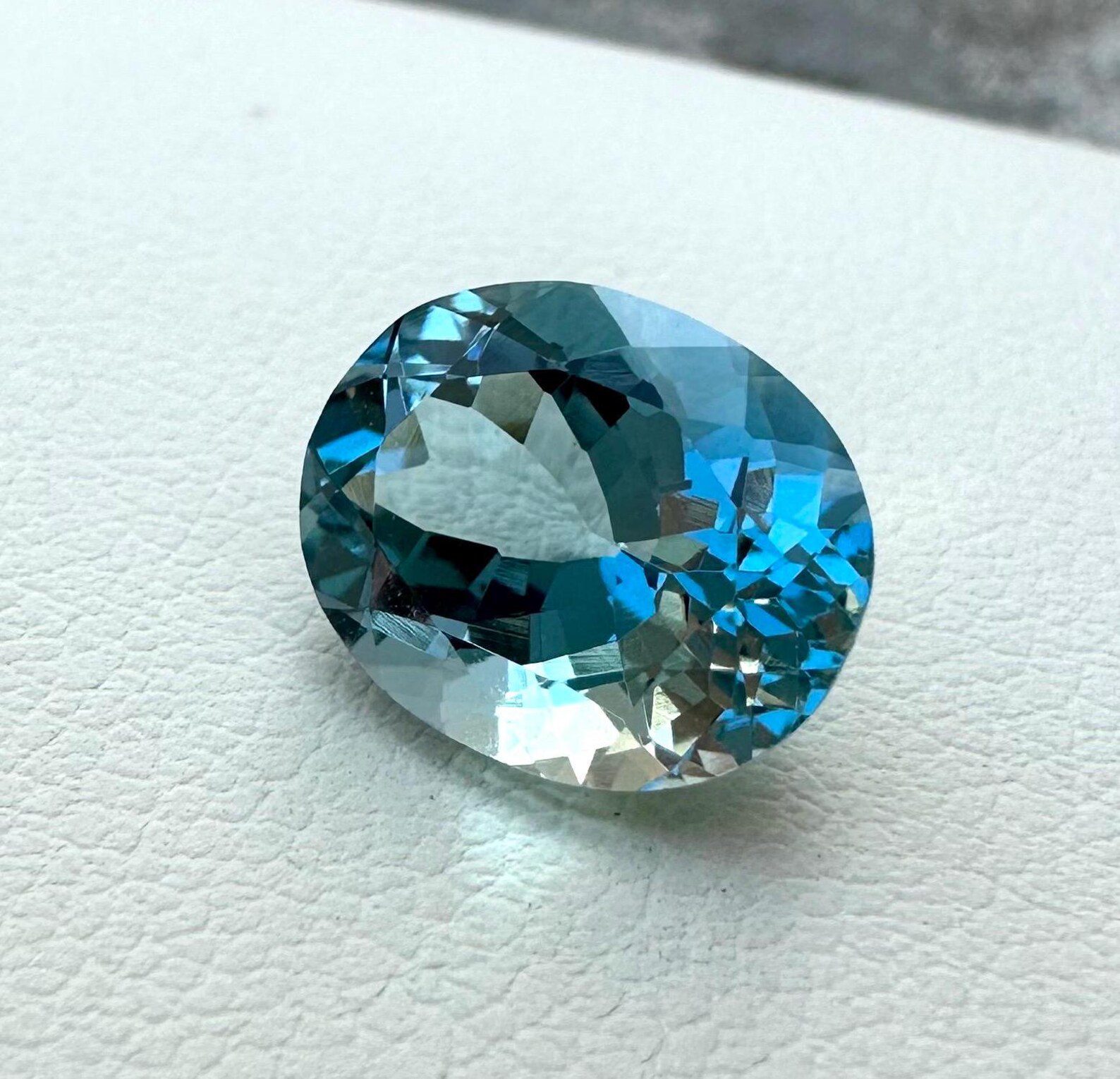
Aquamarine
March Birthstone · Mohs 7.5–8 — Clean, sea-blue beryl in oval, heart and emerald cuts. Typically eye-clean, so it stays bright in larger sizes.
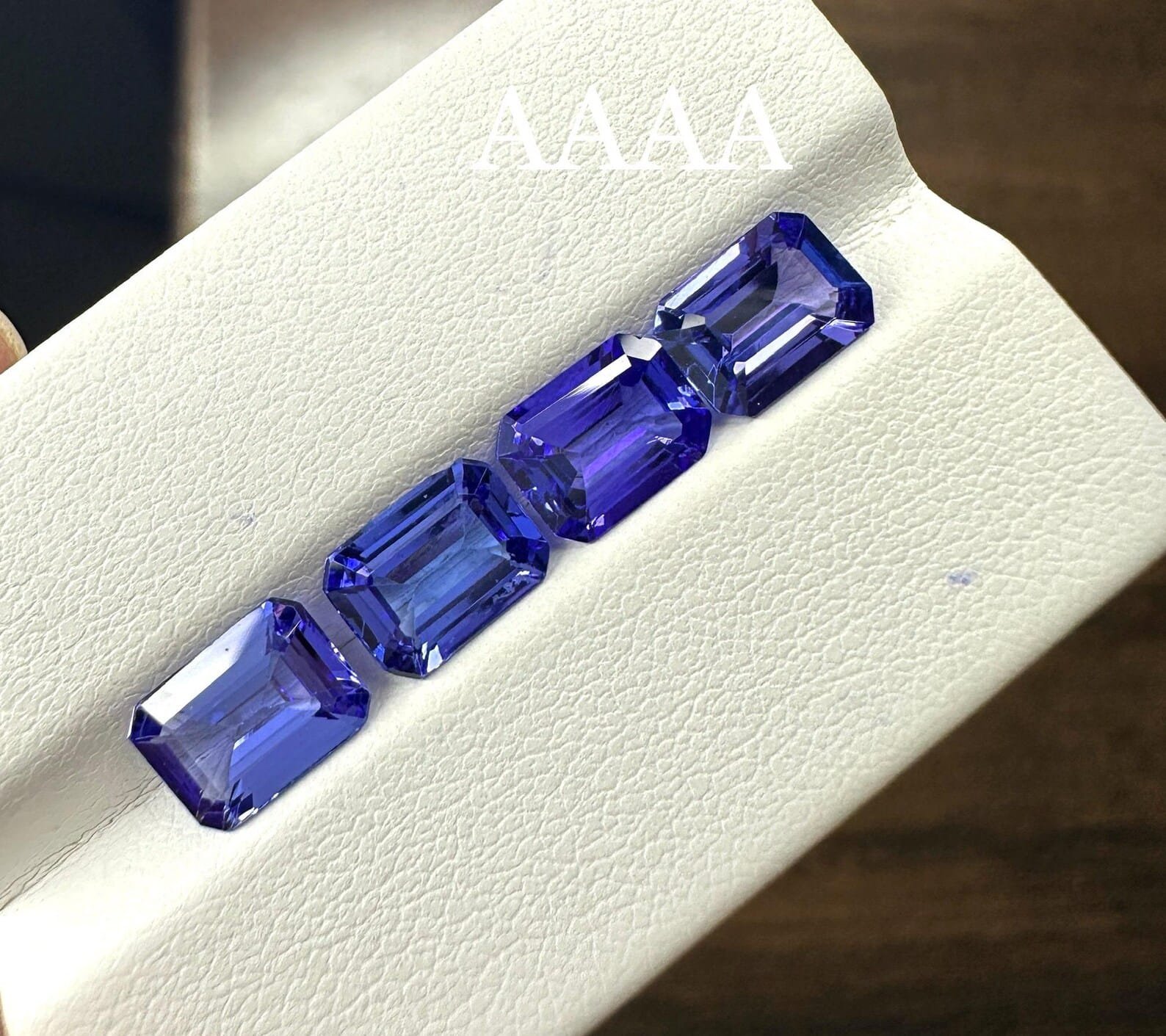
Tanzanite
December Birthstone · Mohs 6–7 — Mined in a single small area of Tanzania. Its violet-blue pleochroism shifts noticeably as the stone moves in the light.
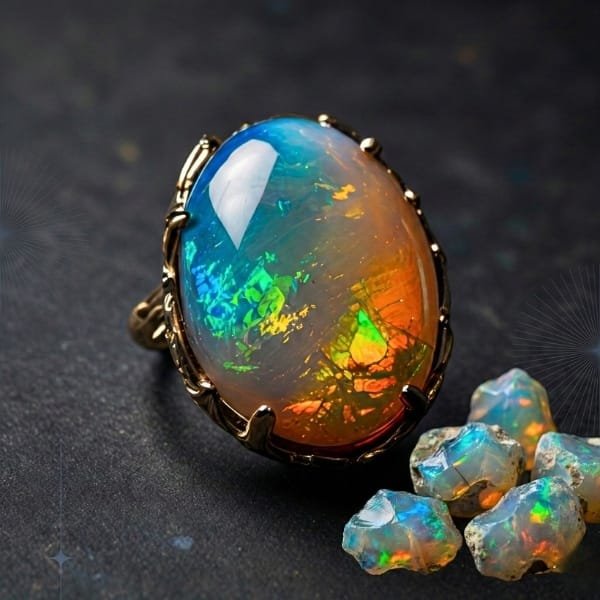
Opal
October Birthstone · Mohs 5.5–6.5 — Ethiopian Welo opal with genuine play-of-colour. No two stones are alike; each is chosen individually for its pattern.
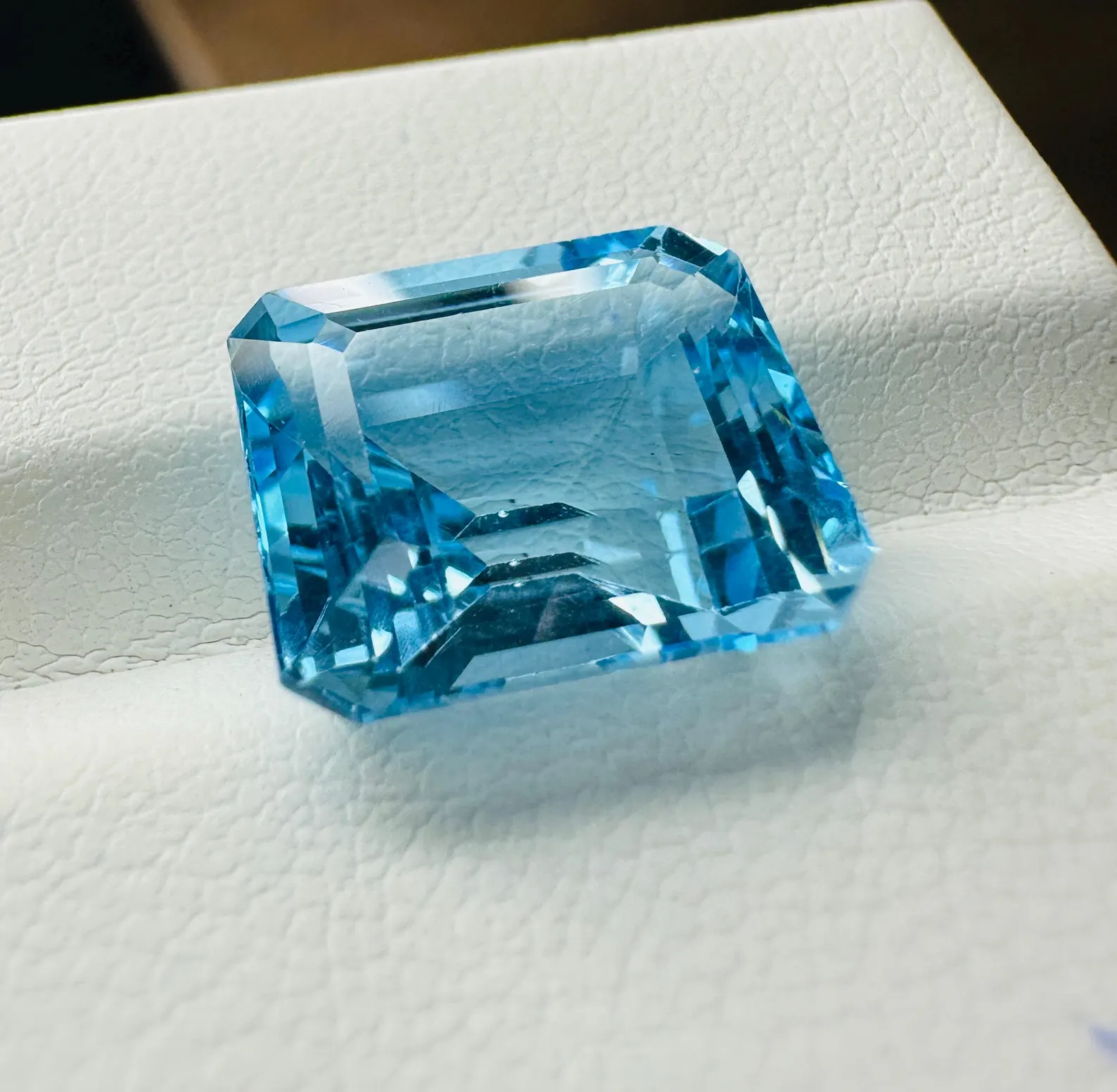
Topaz
November Birthstone · Mohs 8 — Sky and Swiss blue topaz in large, clean, brilliantly cut stones: the best value in our collection for statement pieces.
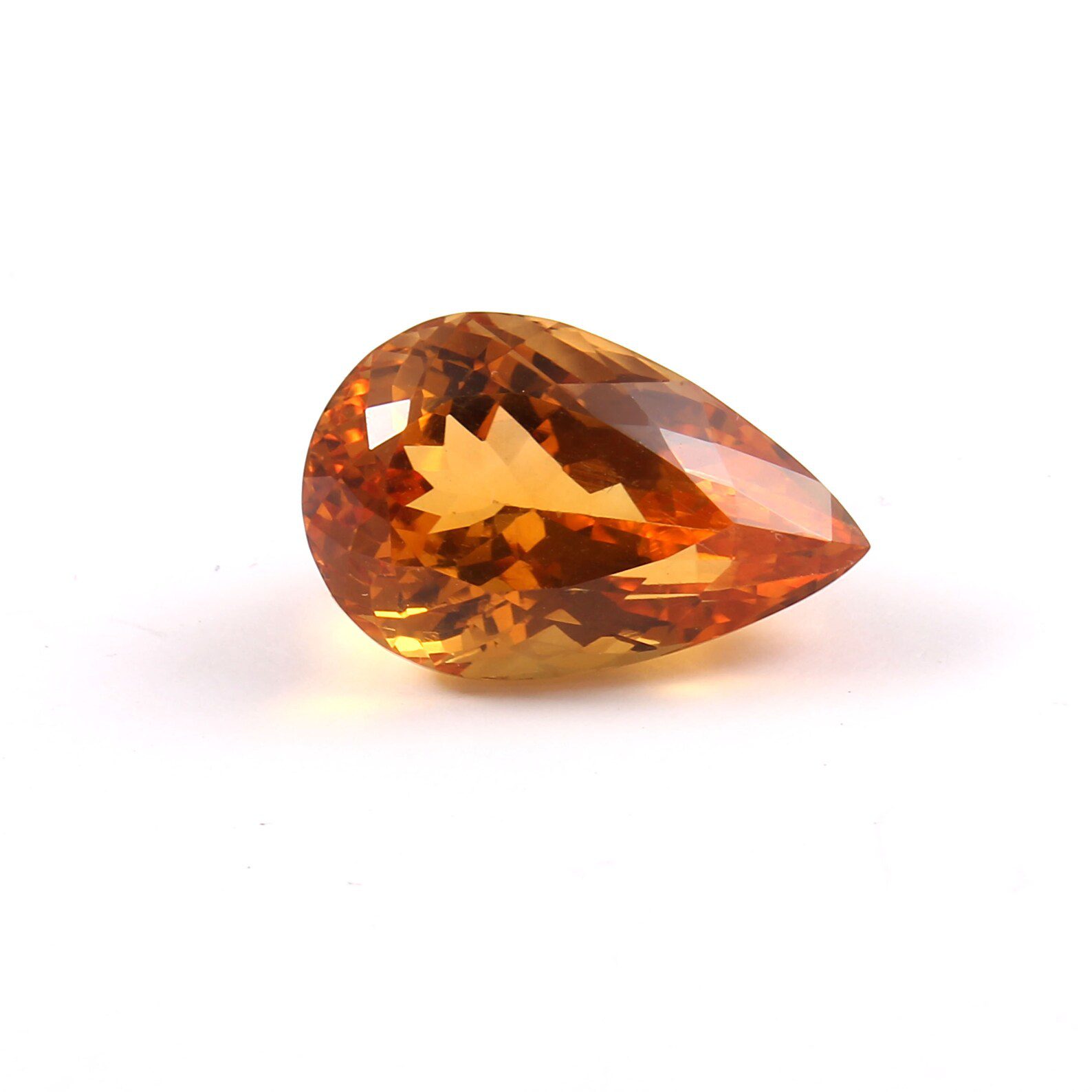
Citrine
November Birthstone · Mohs 7 — Golden to honey-toned quartz. Its warmth suits yellow gold particularly well and holds colour beautifully in bigger cuts.
Garnet
January Birthstone · Mohs 6.5–7.5 — Beyond deep red, including cinnamon-orange hessonite (gomed), valued in both fine jewelry and Vedic astrology.
Watermelon Tourmaline
Collector Favourite · Mohs 7–7.5 — Naturally zoned pink-and-green crystal, sliced to reveal the banding. Genuinely one-of-a-kind and highly collectible.
Buying Guide
What Actually Decides a Good Gemstone?
Six factors decide whether a natural gemstone is worth its price. They apply to every stone in the chart above.
1. Colour
Saturation matters more than depth. A vivid medium tone almost always outperforms a stone that is simply dark, and it is the single largest driver of price in coloured gemstones.
2. Cut
A well-proportioned cut returns light evenly across the whole stone. Windowing — a pale, lifeless centre — is a cutting fault, not a lighting problem.
3. Clarity
Eye-clean is the practical standard: no inclusions visible at normal viewing distance. In emerald especially, some inclusions are normal and expected in natural material.
4. Durability
For a ring worn every day, favour 7 or above on the Mohs scale. Softer stones such as opal, moonstone and tanzanite are better in pendants, earrings or bezel settings.
5. Treatment
Heating is common and widely accepted in sapphire, topaz and citrine. What matters is disclosure — an unheated stone commands a premium and should be stated as such.
6. Certification
For higher-value stones, a laboratory report should confirm the species, the treatment status and, where it affects value, the origin.
About the Source
Who Cuts These Gemstones?
Hayat Gems is a natural gemstone cutting and trading house based in Jaipur, India, established in 1975. Jaipur has been the world’s principal centre for coloured gemstone cutting for over three centuries, and we work within that trade directly — buying rough, cutting and grading in our own workshop, and selling finished stones to jewellers and private buyers worldwide.
Because we cut what we sell, we can state honestly what a stone is: its species, its treatment status, and where its colour and clarity genuinely sit. Every gemstone photograph on our site is of the specific stone being sold. Read more about our workshop or browse the Hayat Gems Journal for detailed buying guides.
Questions
Gemstone Suggestion: Frequently Asked Questions
Birthstone charts link each birth month to a specific stone, and that is a genuinely useful way to narrow a large collection down to a few options. Name-based matching is a decorative and cultural tradition rather than a scientific one. We offer both as a starting point — the final choice should still come down to colour, cut, durability and budget.
Sapphire is the best choice for daily wear at 9 on the Mohs scale, second only to diamond in hardness. Tourmaline (7–7.5), topaz (8) and aquamarine (7.5–8) are also practical. Emerald, opal, moonstone and tanzanite are beautiful but softer or more brittle, and need protective settings and more careful wear.
Sapphire and ruby are the hardest coloured gemstones, both at 9 on the Mohs scale — they are the same mineral, corundum, differing only in colour. Only diamond, at 10, is harder.
Higher-value stones are supplied with a laboratory report. For smaller and mid-range stones, certification is available on request. Every listing states the treatment status of the stone regardless of price.
Yes. Heating, which is the most common treatment, is a widely accepted trade practice in sapphire, topaz, citrine and others — the stone remains natural. What matters is that the treatment is disclosed, because an unheated stone of the same quality is worth substantially more.
Yes. We cut in-house in Jaipur and regularly work to custom sizes, shapes and matched pairs for jewellers and private buyers. Contact us with your requirement and we will tell you honestly whether it is achievable in the material you want.
Blue topaz and amethyst give the largest, cleanest, most vividly coloured natural stones for the money. Both are hard enough for everyday jewelry, and both are available in sizes that would be prohibitively expensive in sapphire or emerald.
Hayat Gems
Ready to Find Your Stone?
Browse the full collection, read our gemstone journal, or tell us what you are looking for and we will source it from our own cutting workshop.
Birthstone by Month: Quick Answers
Not sure which month goes with which stone? Here is the birthstone for every month, cut and sold directly from our Jaipur workshop.
What is the birthstone for the month of January?
The birthstone for the month of January is garnet. Someone born in January is traditionally given deep red garnet, valued for its rich colour and durability in everyday jewellery.
What is the birthstone for the month of February?
The birthstone for the month of February is amethyst. A February-born birthstone gift is traditionally a purple amethyst, prized for its colour range from pale lilac to deep violet.
What is the birthstone for the month of March?
The birthstone for the month of March is aquamarine. Someone born in March is traditionally given the pale blue-green aquamarine, part of the beryl family alongside emerald.
What is the birthstone for the month of April?
The birthstone for the month of April is diamond. An April-born birthstone is the diamond, chosen for its hardness and brilliance, and often given as an engagement stone.
What is the birthstone for the month of May?
The birthstone for the month of May is emerald. A May-born birthstone gift is traditionally the vivid green emerald, one of the most requested gemstones in our Jaipur workshop.
What is the birthstone for the month of June?
The birthstone for the month of June is pearl, with moonstone as a popular natural-gemstone alternative. A June-born birthstone gift is often the soft, glowing moonstone for those who prefer a faceted or cabochon stone over pearl.
What is the birthstone for the month of July?
The birthstone for the month of July is ruby. Someone born in July is traditionally given the deep red ruby, one of the most durable and sought-after coloured gemstones.
What is the birthstone for the month of August?
The birthstone for the month of August is peridot, with pyrite offered in our workshop as a distinctive earthy-green alternative for those wanting an unconventional August-born birthstone.
What is the birthstone for the month of September?
The birthstone for the month of September is sapphire. A September-born birthstone gift is the sapphire, most recognised in blue but also available in pink, yellow and multi-colour varieties.
What is the birthstone for the month of October?
The birthstone for the month of October is tourmaline, alongside opal. An October-born birthstone gift is often tourmaline for its unmatched range of colours, from pink and green to rare bi-colour and watermelon varieties.
What is the birthstone for the month of November?
The birthstone for the month of November is topaz, with citrine as a popular alternative. A November-born birthstone gift is traditionally blue or Swiss blue topaz.
What is the birthstone for the month of December?
The birthstone for the month of December is tanzanite, alongside turquoise and zircon. A December-born birthstone gift is tanzanite, valued for its rare violet-blue colour found only near Mount Kilimanjaro.