
Home / Gemstone by Name
Find the Perfect Gemstone by Name
Match your name to a gemstone using a simple Hayat Gems tradition below, then explore genuine natural gemstones you can actually own — cut and certified by our own workshop in Jaipur since 1975.
Find Your Gemstone by Name
Find the group that contains the first letter of your name, then tap the card to explore that natural gemstone. It’s a fun Hayat Gems tradition, not a scientific or astrological claim.
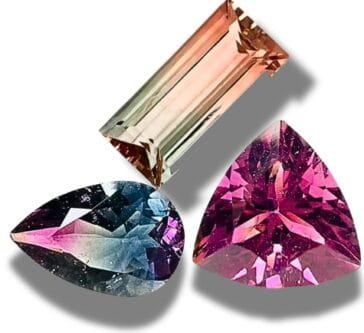
Tourmaline
Names starting with K, R, W
Green, pink, blue-green and rare watermelon bi-colour — one of the most colour-diverse natural gemstones
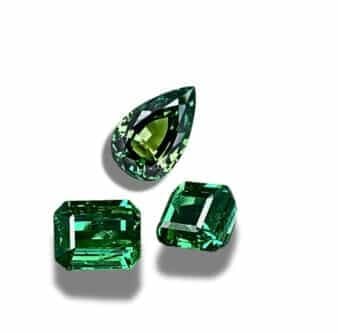
Emerald
Names starting with D, E, L
Green beryl, ranging from soft yellow-green to deep forest green
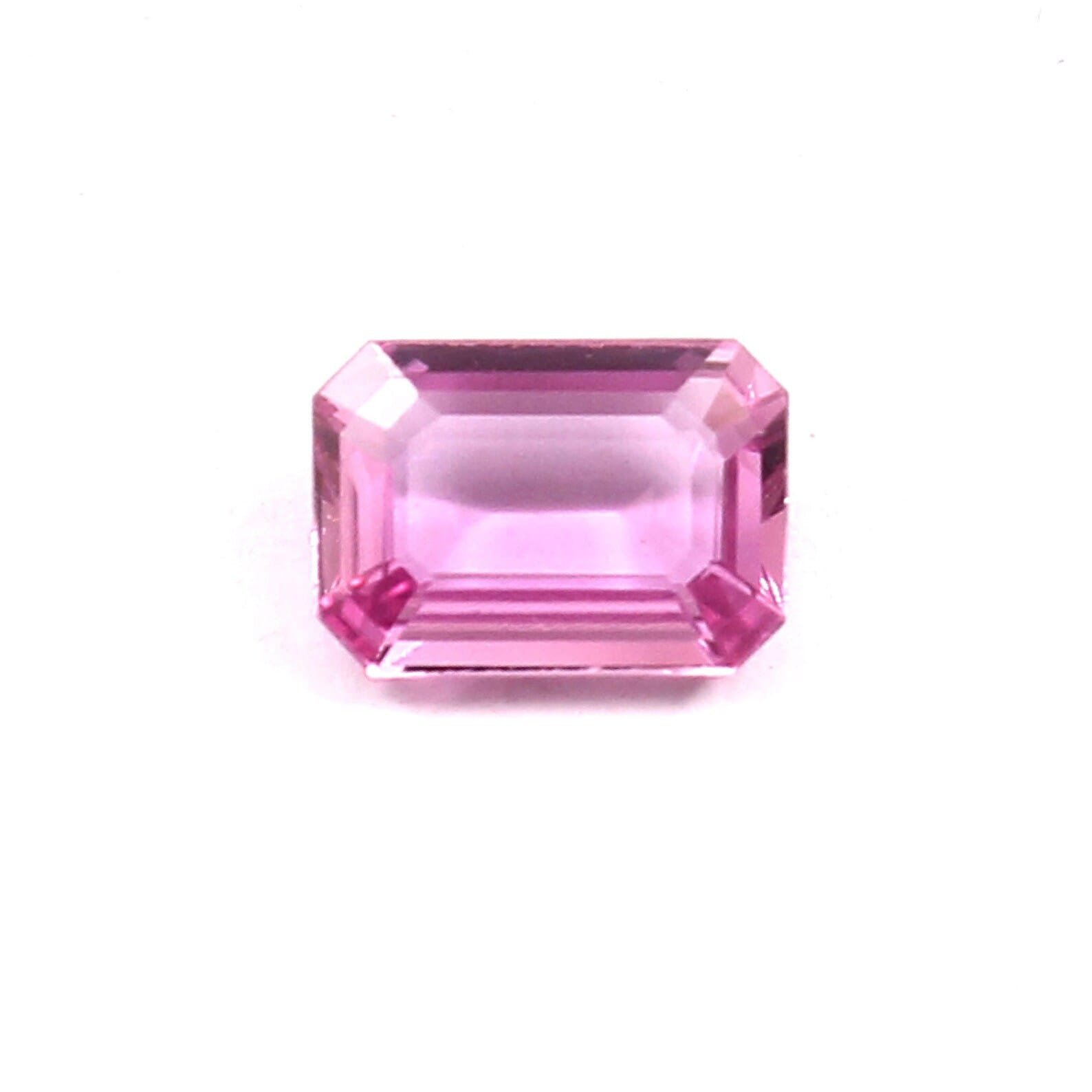
Sapphire
Names starting with B, M, S
Best known in blue, though natural sapphire occurs in nearly every colour except red
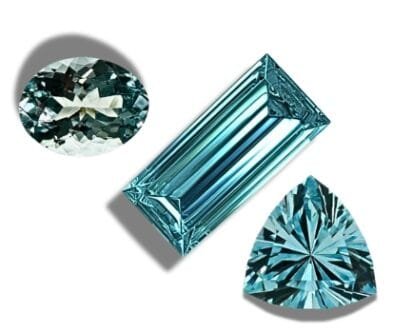
Aquamarine
Names starting with A, N
Pale blue to blue-green beryl, the same mineral family as emerald
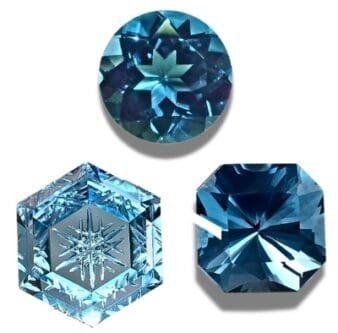
Topaz
Names starting with J, T
Most familiar in blue (often treated), also occurs naturally in yellow and imperial tones
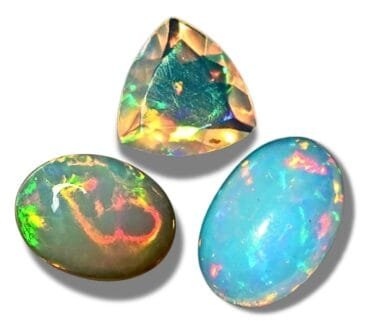
Opal
Names starting with I, O, Z
Unique play-of-colour in every stone — no two opals are alike
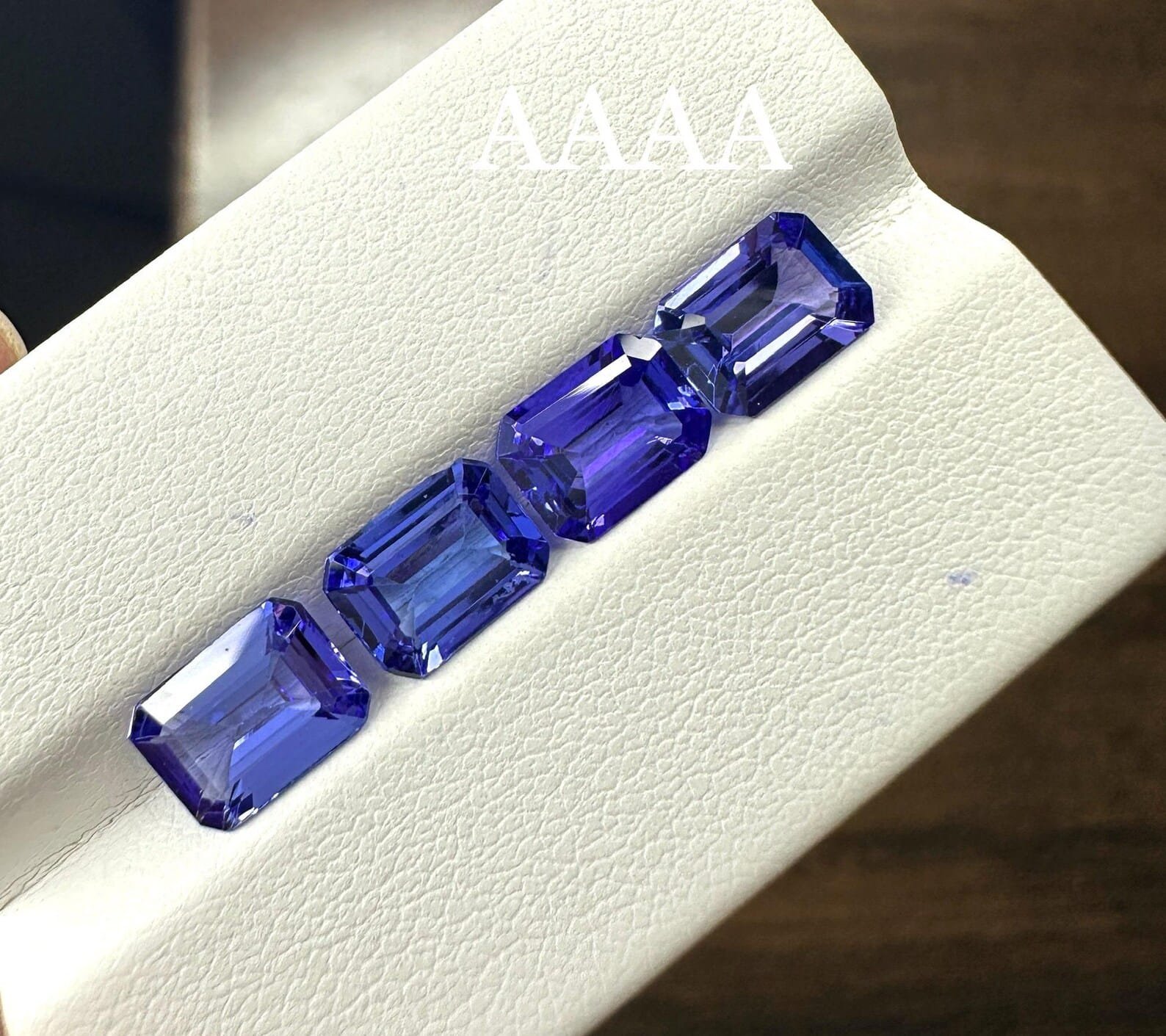
Tanzanite
Names starting with H, P, X
Rich violet-blue, found in only one place on Earth: Tanzania
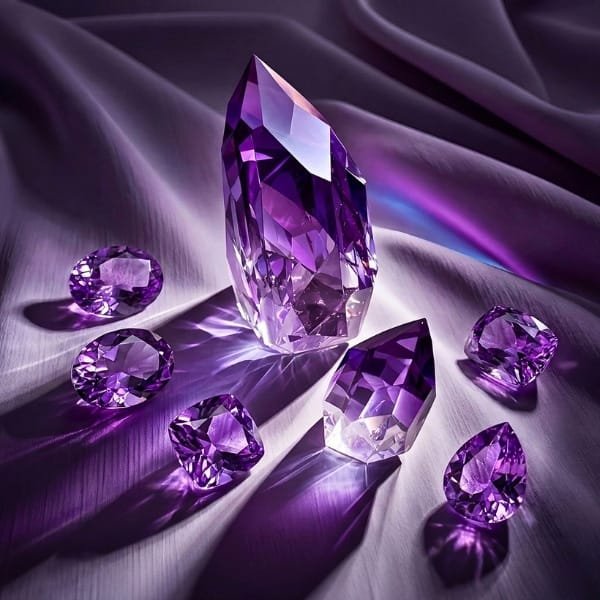
Amethyst
Names starting with F, U
Purple quartz, from pale lilac to deep violet
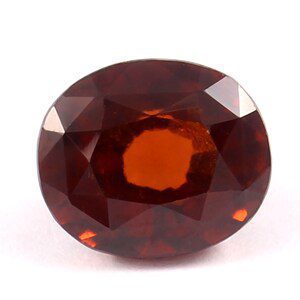
Garnet
Names starting with G, V
Most commonly deep red, though garnet occurs in nearly every colour except blue
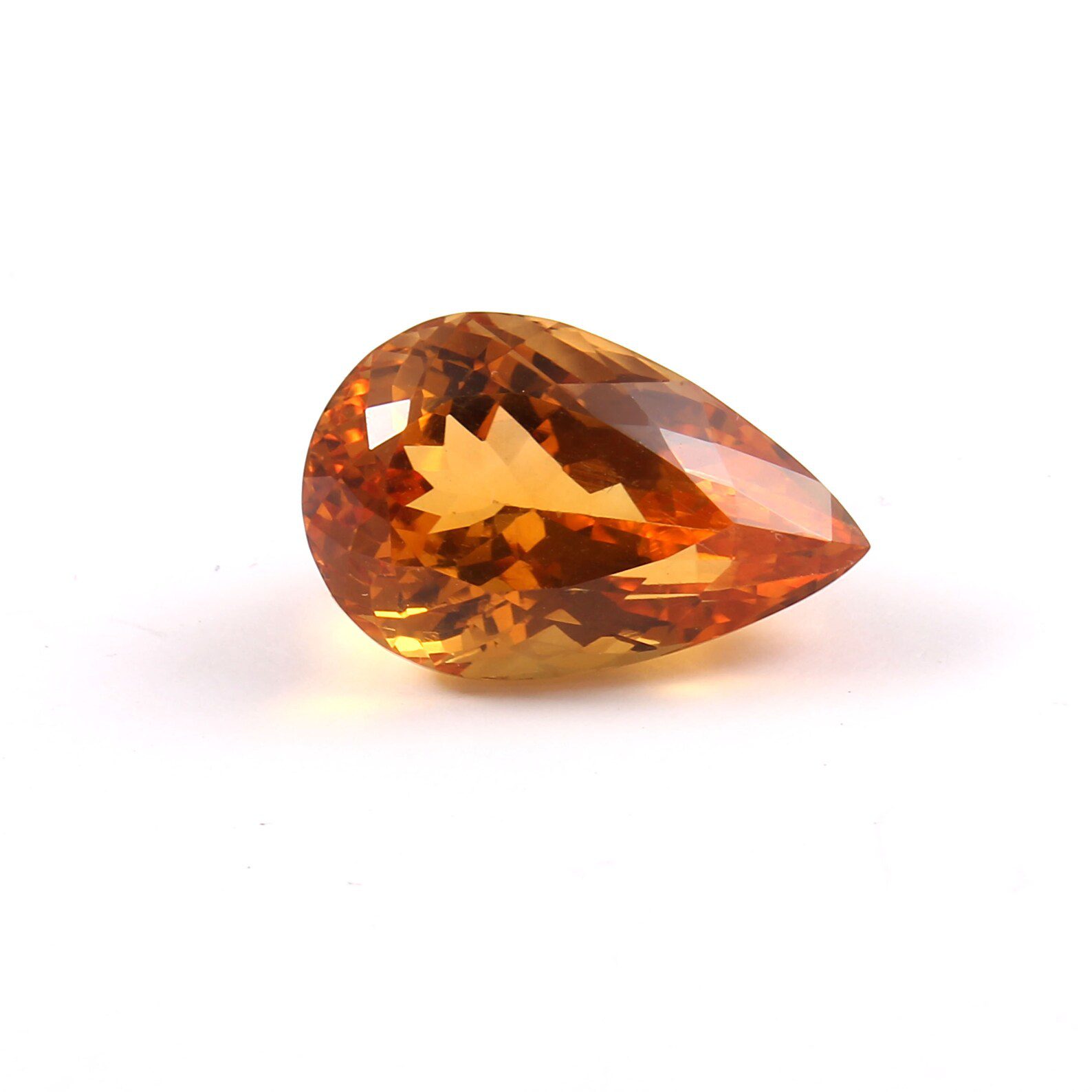
Citrine
Names starting with C, Q, Y
Golden yellow quartz, from pale honey to deep amber
Choose the Right Gemstone
Once you’ve found a gemstone you like the look of, a few practical factors decide whether a specific stone is a good one to buy:
- Gemstone type: know the species (e.g. tourmaline vs. glass or a simulant) before you compare prices.
- Colour: saturation and evenness matter more than the label — two stones of the same species can look very different.
- Cut: a well-proportioned cut returns more brilliance than a poorly cut stone of higher carat weight.
- Carat: check millimetre dimensions too — density varies by gemstone, so carat weight alone can mislead you on size.
- Certification: a lab report confirms species and discloses treatment — always ask if one isn’t offered upfront.
- Natural vs. synthetic: lab-grown stones are chemically real but far more common and lower cost; a reputable seller always discloses which you’re buying.
- Quality considerations: for coloured stones, eye-clean clarity and vivid, even colour typically matter more than carat weight alone.
Natural Gemstones at Hayat Gems
Hayat Gems has cut and graded natural gemstones from our own workshop in Jaipur since 1975. Every certified stone in our catalogue ships with a verifiable report, and we work directly with buyers worldwide sourcing loose gemstones for custom jewellery.
Frequently Asked Questions
Find the letter group your name starts with in the gemstone grid above — each group links straight to that natural gemstone, along with its colour, properties and where to shop it.
There is no single scientifically correct answer — this feature is a fun starting point for exploring gemstones, not an astrological or medical claim. Choose whichever stone you’re drawn to.
Focus on species, colour saturation, cut quality, carat-to-millimetre size, certification and treatment disclosure — see the guide above for details on each.
Neither is objectively “better” — natural stones carry rarity and geological origin, while lab-grown stones offer the same material at a lower price. The right choice depends on what you value; a reputable seller discloses which you’re buying either way.
Hayat Gems sells certified natural gemstones directly, cut and graded from our own workshop in Jaipur since 1975. Browse our natural gemstone collection to see current stock.
For larger or higher-value stones, yes — certification confirms species and discloses treatment. Smaller stones are often sold reliably without a per-stone report from an established, verifiable supplier.